Guide

Custom Software vs Ready-Made: Making the Right Technology Investment

HEA Consulting Team
January 15, 2026
10 min read
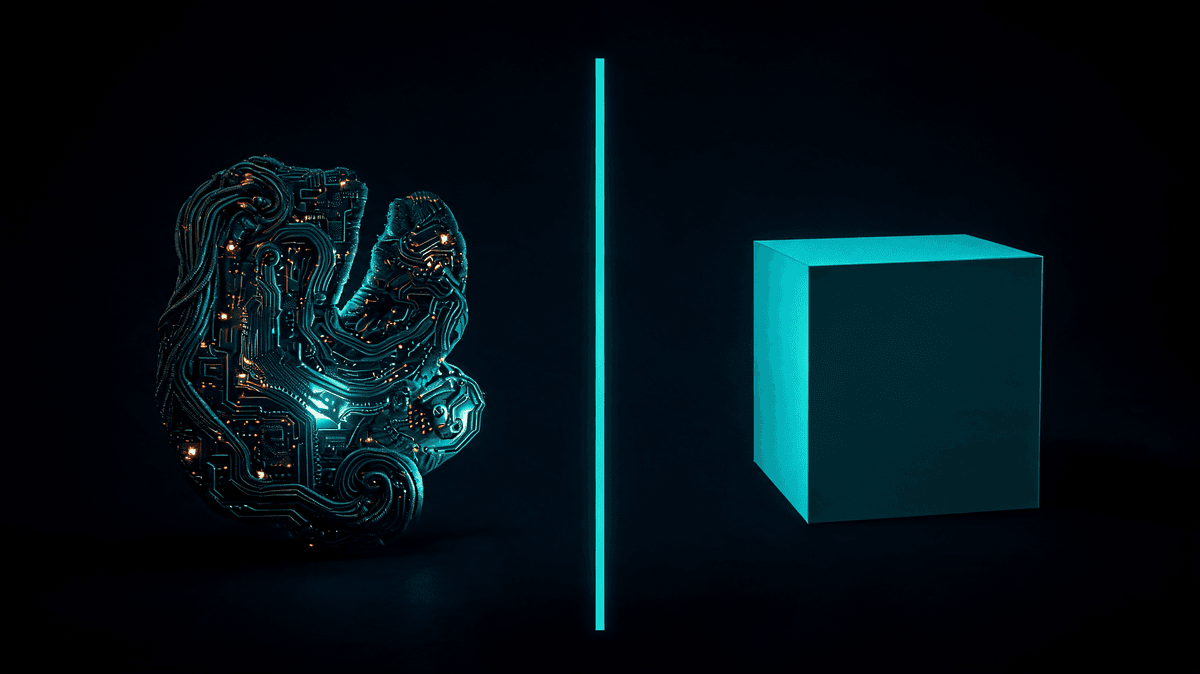
Custom software vs ready-made — bespoke circuit sculpture vs geometric cube

Every business eventually faces this decision: buy software that's ready to go, or build something custom for exact needs. The biggest mistake is deciding based on upfront cost alone.

The Hidden Costs of Ready-Made Software

The sticker price of SaaS software is just the beginning. Add per-user licensing that compounds as you grow, customization costs to make standard software fit your non-standard process, integration costs to connect it to your other systems, training costs, and the hidden cost of process compromise — changing how your team works to fit the software's limitations rather than the other way around.

5-Year Total Cost of Ownership

HubSpot Professional (10 users): $27,000 USD over 5 years in licensing + $30,000 implementation = $57,000 USD total.

Custom CRM: $40,000 USD development + $15,000 USD maintenance over 5 years = $55,000 USD total. Custom is cheaper over 5 years — and you own the asset at the end.

The Decision Framework

Choose off-the-shelf when: your process is standard, you need to move in under 60 days, your team is under 10 people, or you want to test a workflow before committing.

Choose custom when: your workflow is unique and competitive differentiation depends on it, you need deep integration with proprietary systems, you have 15+ users, vendor lock-in is a strategic risk, or you've been fighting with off-the-shelf software for over a year.

HEA Consulting provides a technology audit that maps your current software landscape, identifies the highest-value custom vs. off-the-shelf decisions, and gives you a total cost comparison before you commit to anything.

Frequently Asked Questions

The test is simple: can you configure the off-the-shelf software to match your process without changing how your team works? If you're regularly using workarounds, maintaining external spreadsheets alongside the software, or manually re-entering data between systems — your process isn't standard enough.

Vendor lock-in means your operations become dependent on a single software provider's pricing, availability, and decisions. If they raise prices 50%, discontinue the product, or get acquired — you have limited options. Custom software eliminates this risk.

Yes — phased development is often the smartest approach. Build a Minimum Viable Product (MVP) with core features first, validate it with your team, then add features in subsequent phases. This reduces financial risk and ensures development stays aligned with actual business needs.

Custom software requires an ongoing technical relationship — either with the original development team or an internal technical resource. HEA Consulting offers maintenance agreements that cover bug fixes, security updates, and feature additions. This should be budgeted as 15–20% of development cost annually.

Yes — and this is a common path. Many businesses start with off-the-shelf to validate their process, then migrate to custom once they've outgrown the limitations. The key is ensuring your data is exportable from the beginning, and documenting your process requirements before the migration.

Ready to implement AI in your business?

Talk to our team and get a custom AI roadmap in one session. No commitment required.

Start a conversation

HEA Consulting · AI Implementation Specialists